Showing posts with label Behavioral Psychology. Show all posts

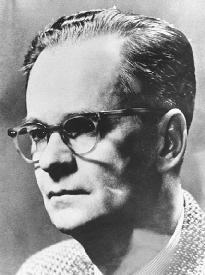
B. F. Skinner

1904-1990
American psychologist and advocate of behaviorism.
B. F. (Burrhus Frederic) Skinner was born in Susquehanna, Pennsylvania. As a youth, he showed talent for music and writing, as well as mechanical aptitude. He attended Hamilton College as an English major, with the goal of becoming a professional writer. After graduation, Skinner, discouraged over his literary prospects, became interested in behavioristic psychology after reading the works of John Watson and Ivan Pavlov. He entered Harvard University as a graduate student in psychology in 1928 and received his degree three years later. Skinner remained at Harvard through 1936, by which time he was a junior fellow of the prestigious Society of Fellows. While at Harvard, he laid the foundation for a new system of behavioral analysis through his research in the field of animal learning, utilizing unique experimental equipment of his own design.
Psychotherapy - Psychodynamic Approach, Behavioral Techniques, Cognitive Methods, Family and Group Therapy

The treatment of mental or emotional disorders and adjustment problems through the use of psychological techniques rather than through physical or biological means.

Psychoanalysis, the first modern form of psychotherapy, was called the "talking cure," and the many varieties of therapy practiced today are still characterized by their common dependence on a verbal exchange between the counselor or therapist and the person seeking help. The therapeutic interaction is characterized by mutual trust, with the goal of helping individuals change destructive or unhealthy behaviors, thoughts, and emotions. It is common for experienced therapists to combine several different approaches or techniques. The most common approaches are discussed below.